Více přesnosti
 

Tloušťka pásu, plechu, fólie, gumy, izolantu, vrstvy nebo desky

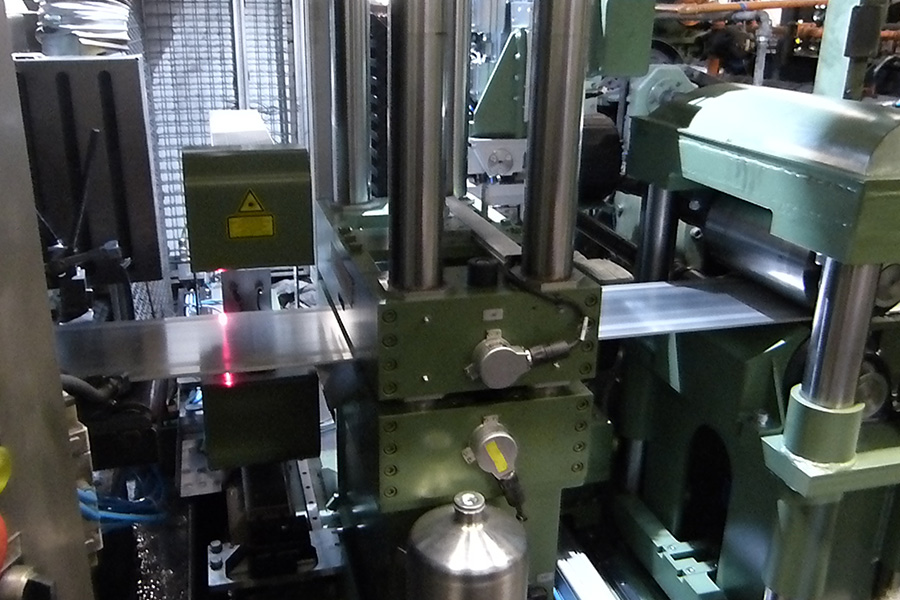
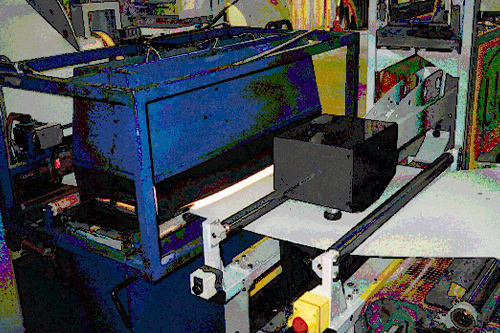
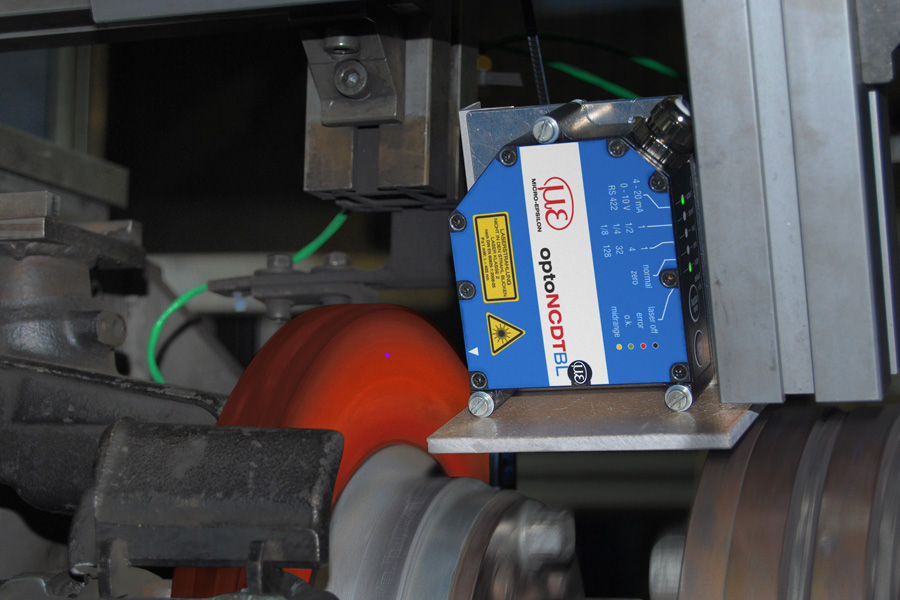
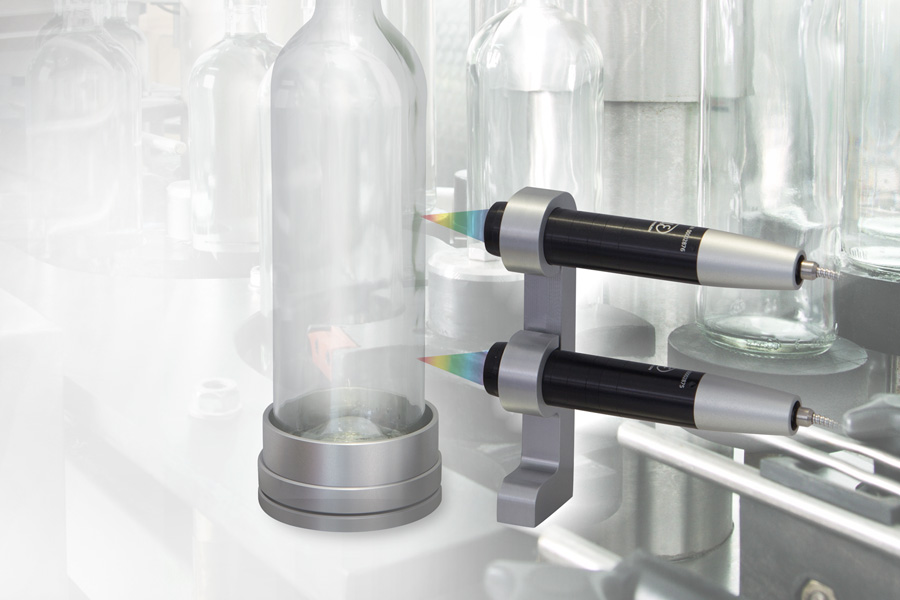
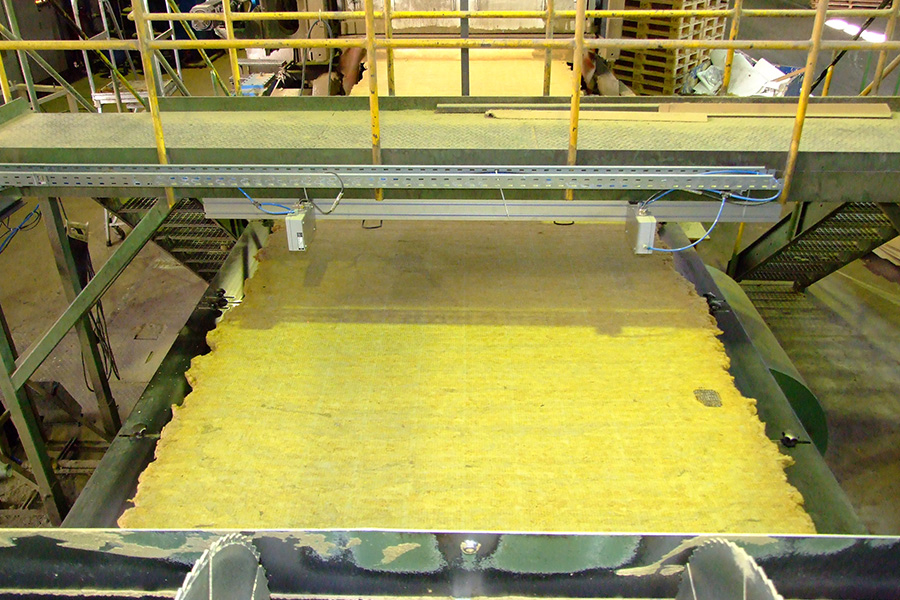
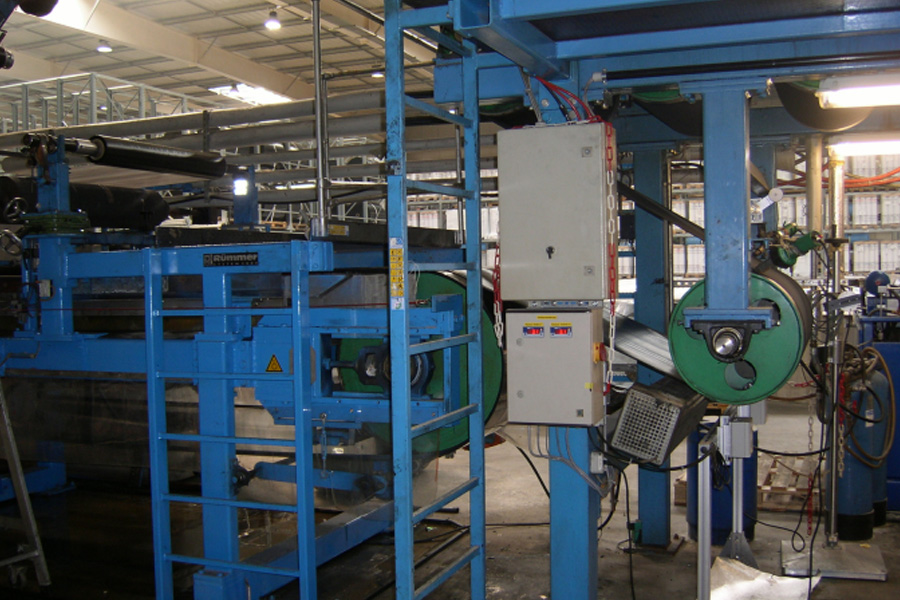
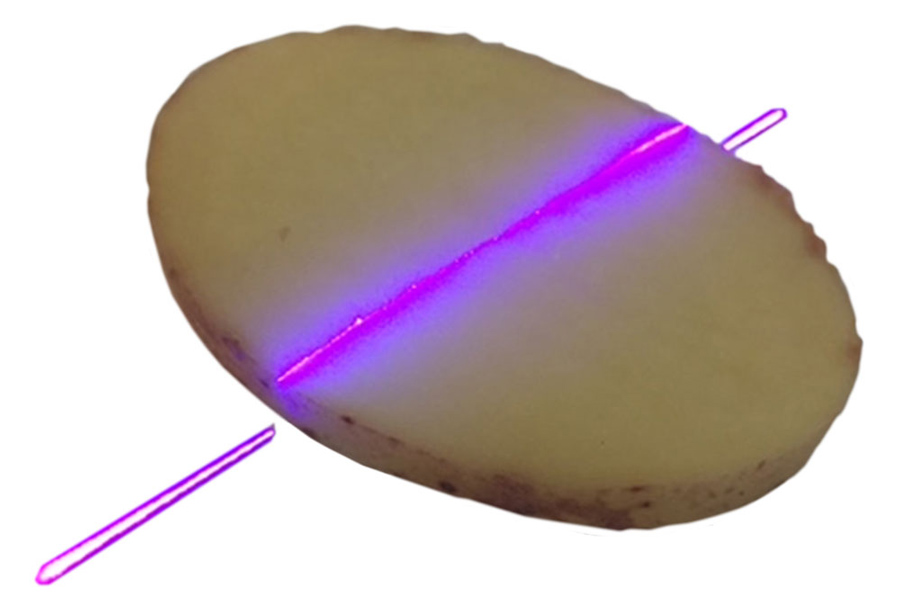
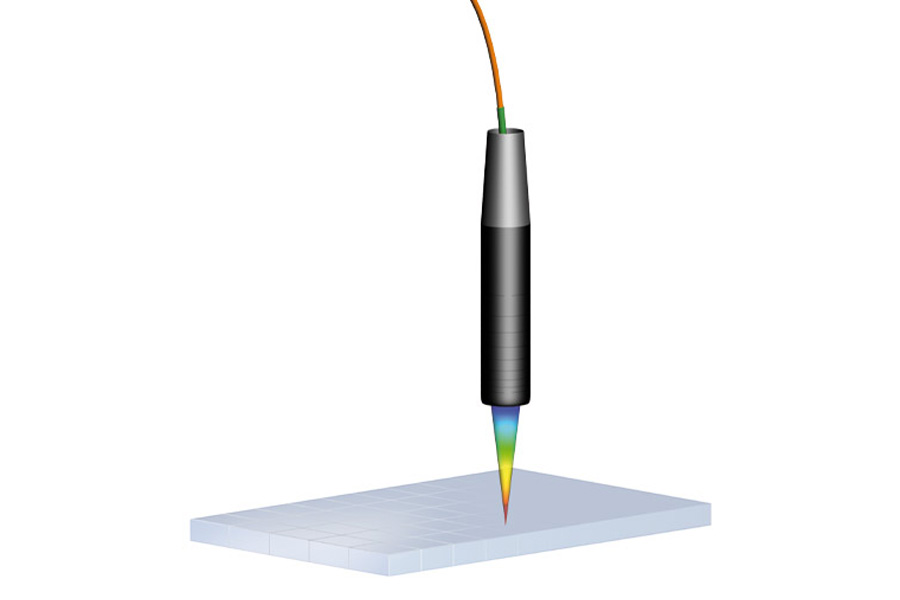
Thickness measurement using displacement sensors is a wide application area. Basically there are distinctions between non-destructive/destructive, non-contact/with contact and one-side/two-sided thickness measurement. The Micro-Epsilon measuring techniques for thickness measurement are all emission-free whereby no emissions regulations of any kind have to be complied with.
Thickness measurements must be performed both with contacting as well as with non-contact sensors whereby non-contact measuring techniques show advantages with regard to accuracy and measuring speed.
There is also a distinction between one-sided and two-sided thickness measurement. Two-sided thickness measurements are carried out with at least one pair of sensors which are installed together on one axis. This pair of sensors measures the target synchronously. The difference between the measurement results (C-A-B) produces the thickness of the measuring object.
One-sided thickness measurements must only be performed with non-contact sensors. In doing so, the target is only measured with one sensor and either only a part of the target thickness (e.g. layer thickness) or the complete measuring object thickness is measured. Thickness measurements are mainly used in process control and quality assurance, e.g. for the control of extrusion systems or 100% checking of tube diameters.

View: Applications Button List_pressed Applications Button Grid

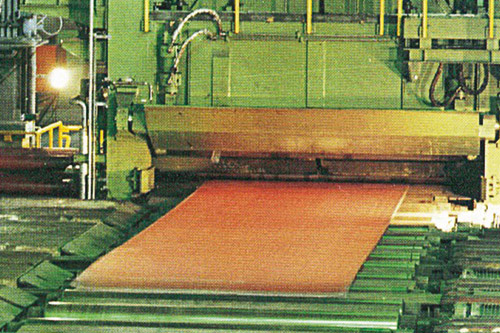
Aluminium thickness

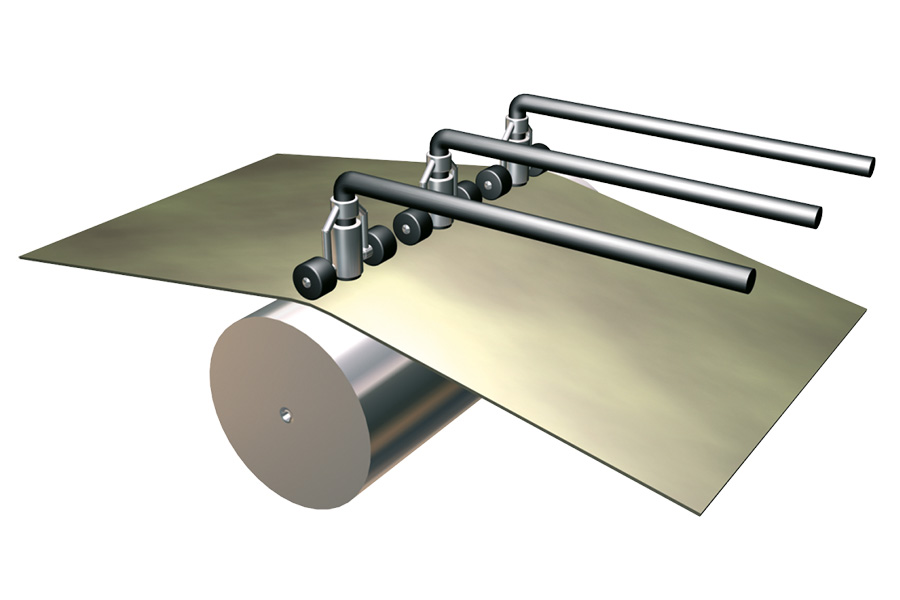
It is important to know the thickness of the plates for the manufacture of aluminium plates. The non-contact profile measuring system measures the profile of the plates using a capacitive sensor. At the ...

Blown film thickness

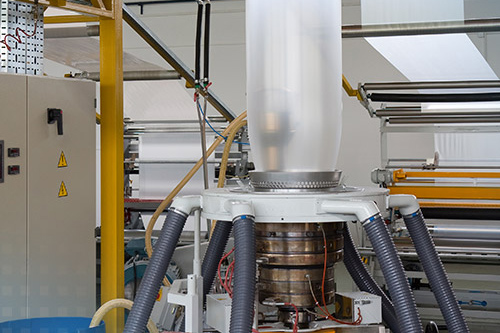
The thickness of blown films is an important aspect in terms of constant quality in blown film production. Partially strong thickness tolerances can occur for the production in doing so. The blown film system ...

Sheet thickness

It is often the case for sheet machining that sheets must be transported individually in machines. Therefore, it is essential that only one sheet gets into the machine. If two sheets are on top of each other, ...

Thickness measurement of black rubber belts

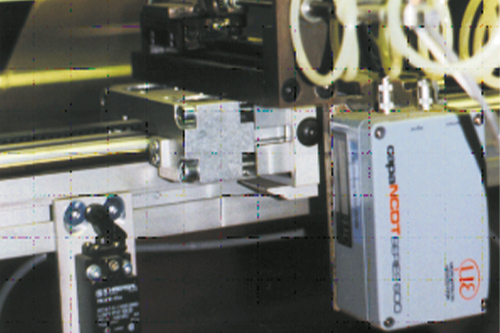
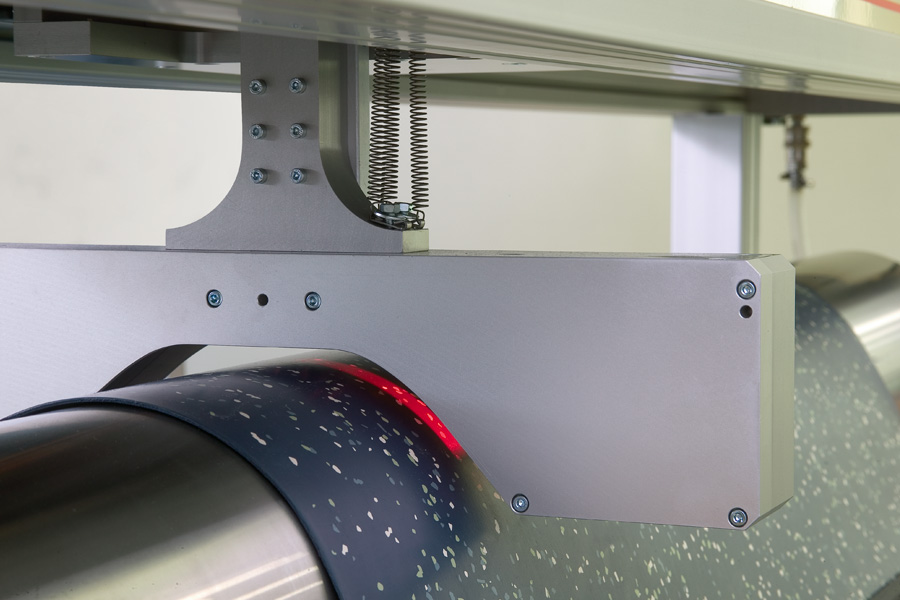
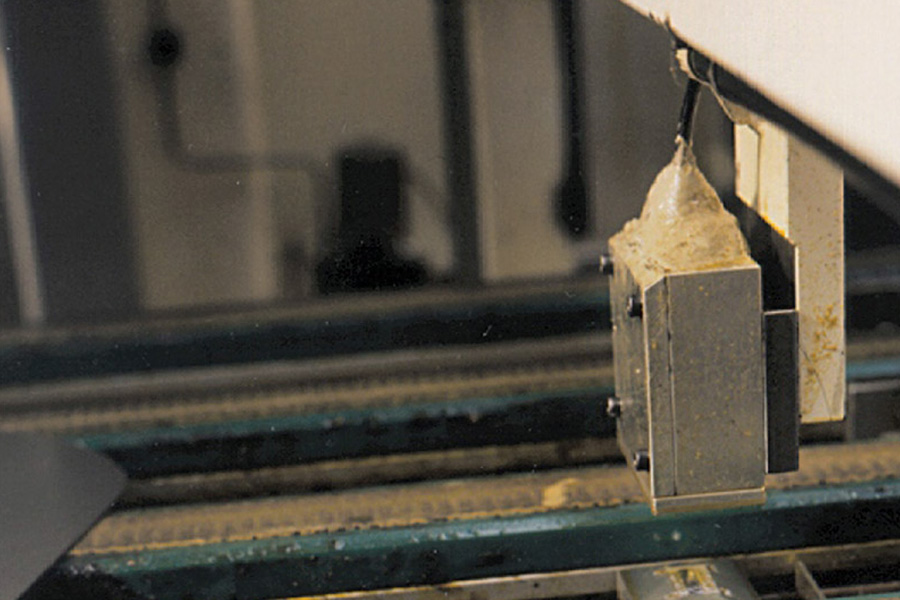
Rubber mats for the structure sealing must exhibit a specified thickness for durability and tear resistance. The thickness of the films is measured directly after the extrusion. The optoNCDT 1700 sensors used ...

Display glass thickness

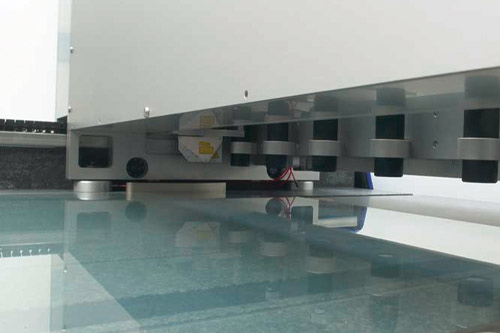
A special measuring system has been developed for the quality control of display glass. The glass pane is placed on a measuring table by a robot. A measuring arm with several confocal sensors traverses the glass ...

Flat film thickness

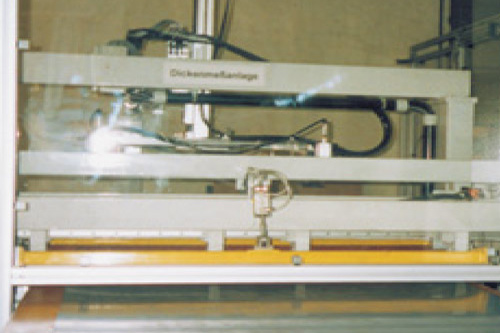
The thickness of manufactured films is frequently a decisive quality criteria in production. Specially developed thickness measurement systems are used as early as possible in the production for the check of the ...

Flat glass thickness

A special measuring system has been developed for the quality control of display glass. The glass pane is placed on a measuring table by a robot. A measuring arm with several confocal sensors traverses the glass ...

Yarn thickness

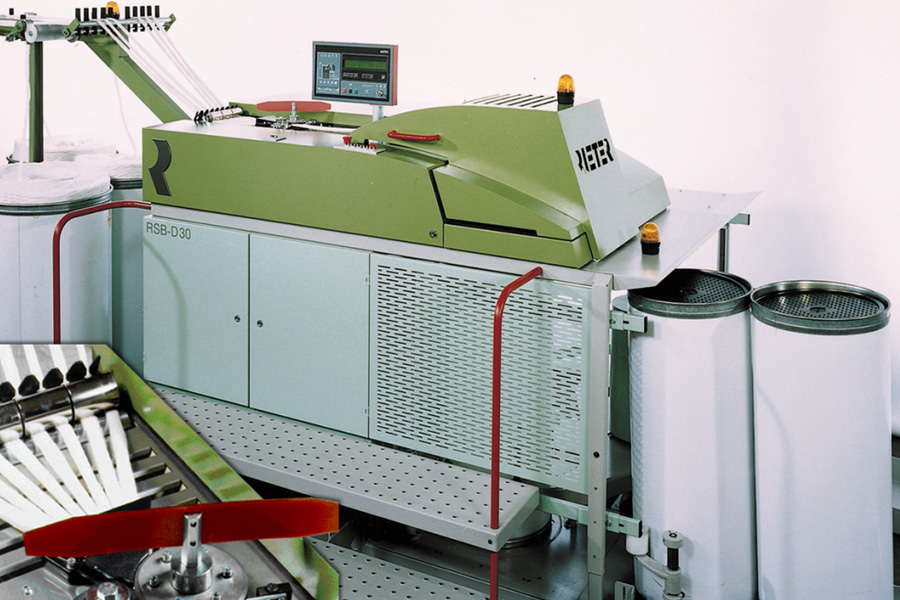
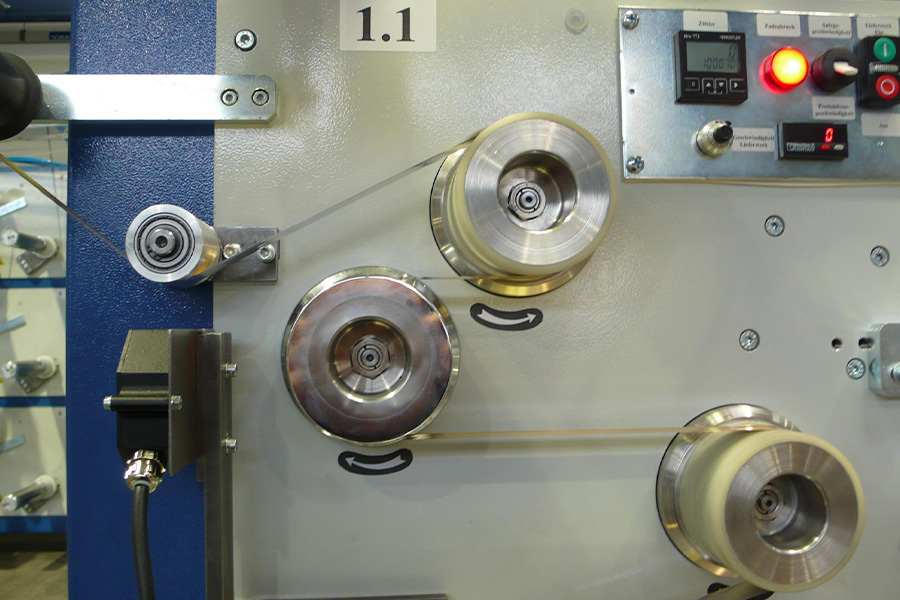
A consistent yarn thickness is a prerequisite in the textile industry for high quality products. Therefore, the naturally occurring yarn thickness fluctuations must be eliminated. The yarn is drawn to a constant ...

Glass thickness

A special measuring system has been developed for the quality control of glass. The glass pane is placed on a measuring table by a robot. A measuring arm with several confocal sensors traverses the glass pane there. ...

Inner liner thickness measurement

Inner liners are used in every tyre to prevent the air from escaping. As the inner liner is a characteristic relevant to safety of every tyre, there are high requirements for compliance with the target data. An important ...

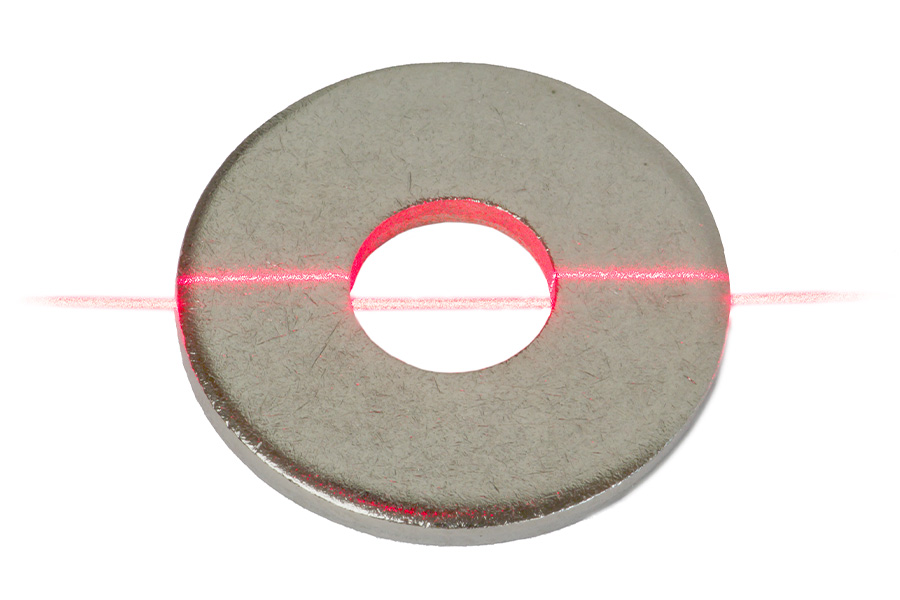
Thickness measurement of dies

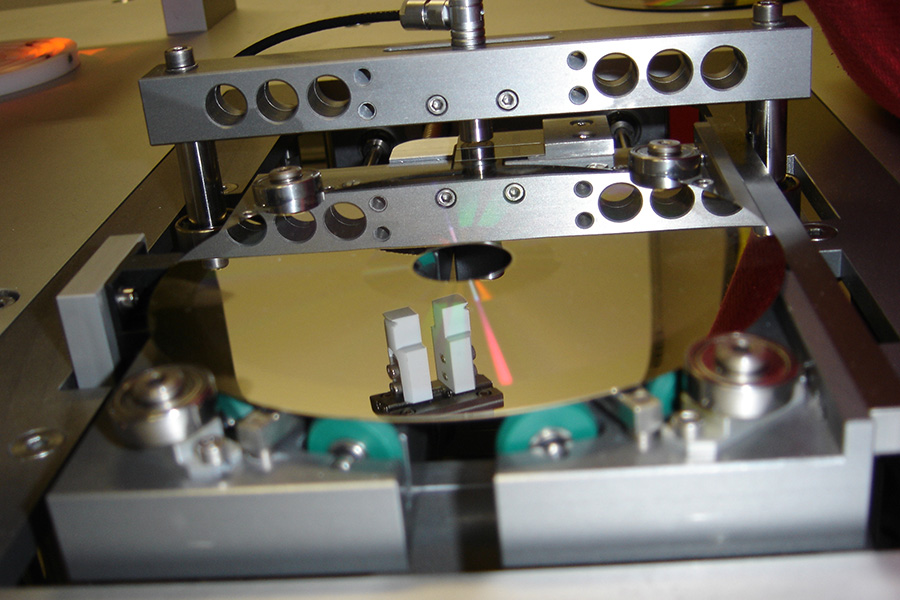
When optical data carriers are produced, the data are initially transferred to a master. Depending on the number of copies, different dies made of nickel are produced from the master by galvanisation. These dies must show ...

Thickness measurement using displacement sensors

Thickness measurement using displacement sensors is a wide application area. Basically there are distinctions between non-destructive/destructive, non-contact/with contact and one-side/two-sided thickness measurement. The ...

Oil film thickness

The oil film thickness for combustion engines describes the gap and thus the quantity of oil between piston and cylinder wall. Thus it is sometimes a determining factor for smooth operation and durability. As the oil film ...

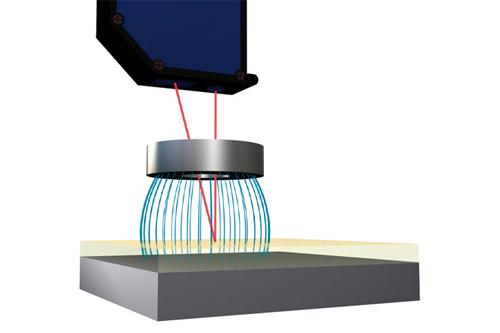
Layer thickness measurement (non contacting)

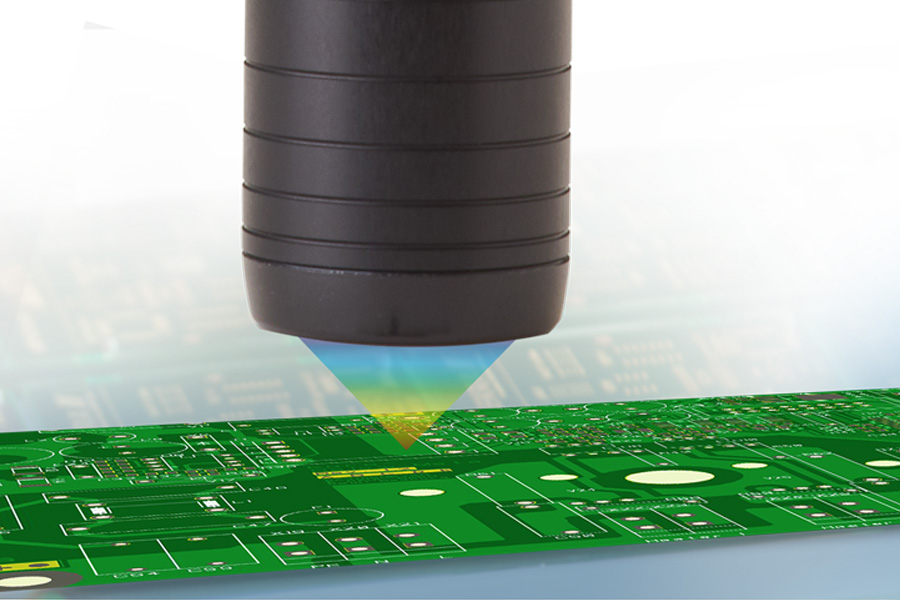
Layer thickness measurement belongs to the group of one-sided, non-contact thickness measurement. Basically, only the layer thickness of electrical insulators can be measured for opaque objects. An eddy current sensor penetrates ...

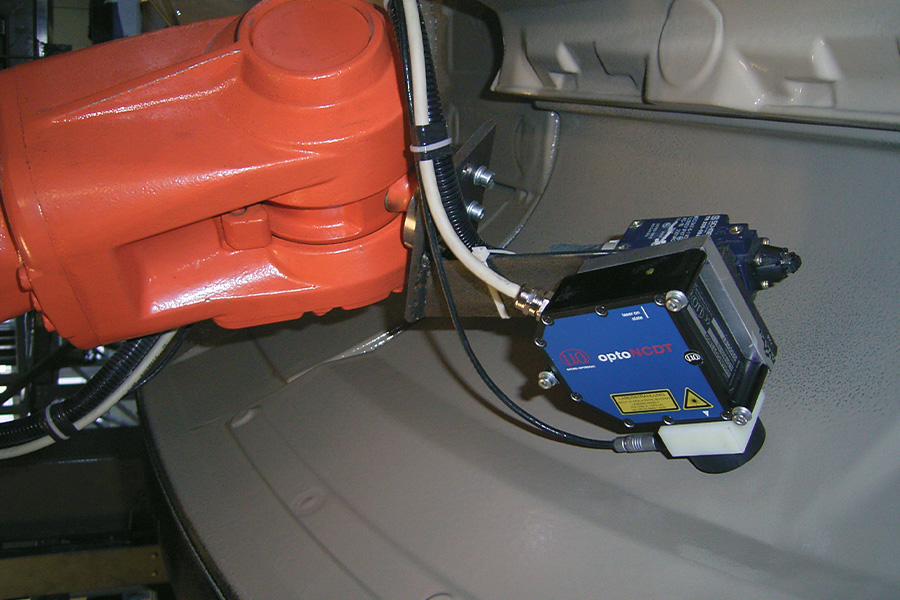
Measurement of sprayed skin thickness

Sprayed skins for vehicle instruments and controls and for airbag cladding are sprayed using a robot-guided nozzle. The thickness of the sprayed skin is inspected during the spraying process. An eddy current sensor measures the distance ...

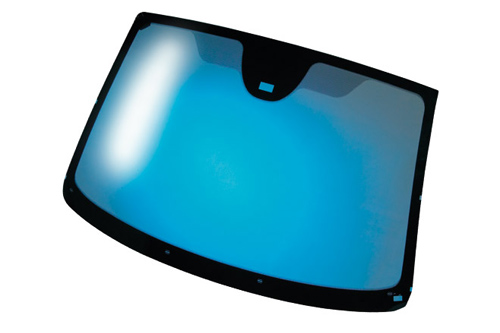
Windscreen thickness

Using a film between several glass panes, laminated safety glass prevents dangerous shards flying around in the case of breakage. The adhesive film is clamped during the production. In doing so, it is important that the film shows the correct ...

Ke stažení
Newsletter
Přihlaste se k odběru novinek
Kontakt

Micro-Epsilon Czech Republic

Phone +420 381 213 011
Fax +420 381 211 060
eMail Napsat e-mail
info@micro-epsilon.cz
Najít kontaktní osobu
 
Mister Wong del.icio.us Google Yahoo! MyWeb reddit MySpace Facebook twitter
MICRO-EPSILON Czech Republic
Na Libuši 891 39165 Bechyně, Czech Republic
info@micro-epsilon.cz mobile phone icon
+420 381 213 011 phone icon
+420 381 211 060 fax icon